Scale and Context
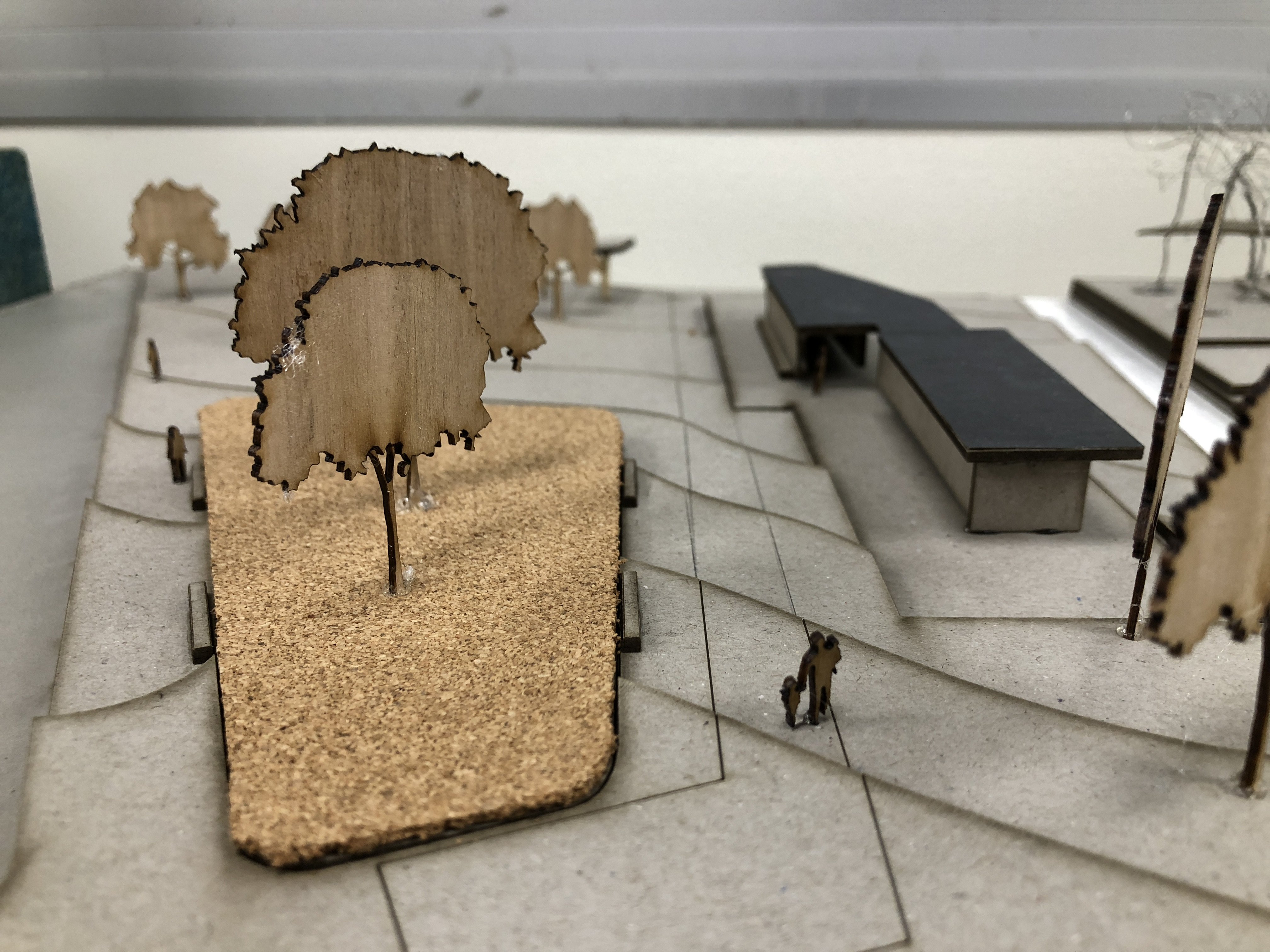
- Humanise the model: Trees provide a relatable scale reference, helping viewers intuitively understand the size of buildings and spaces.
- Contextualise the site: Including surrounding trees or landscape features situates the design in its natural or urban environment.
Spatial Understanding
- Define spaces: Trees can suggest how public and private spaces are divided or connected—framing courtyards, shading walkways, or screening views.
- Guide movement: Tree placement can subtly indicate pathways, entrances, or circulation patterns.
Environmental Design
- Demonstrate sustainability: Including trees can show intentional planning for shade, windbreaks, passive cooling, or improved microclimates.
- Illustrate ecological integration: Helps communicate how the built form coexists with natural systems (e.g., urban greening or habitat preservation).
Visual and Emotional Impact
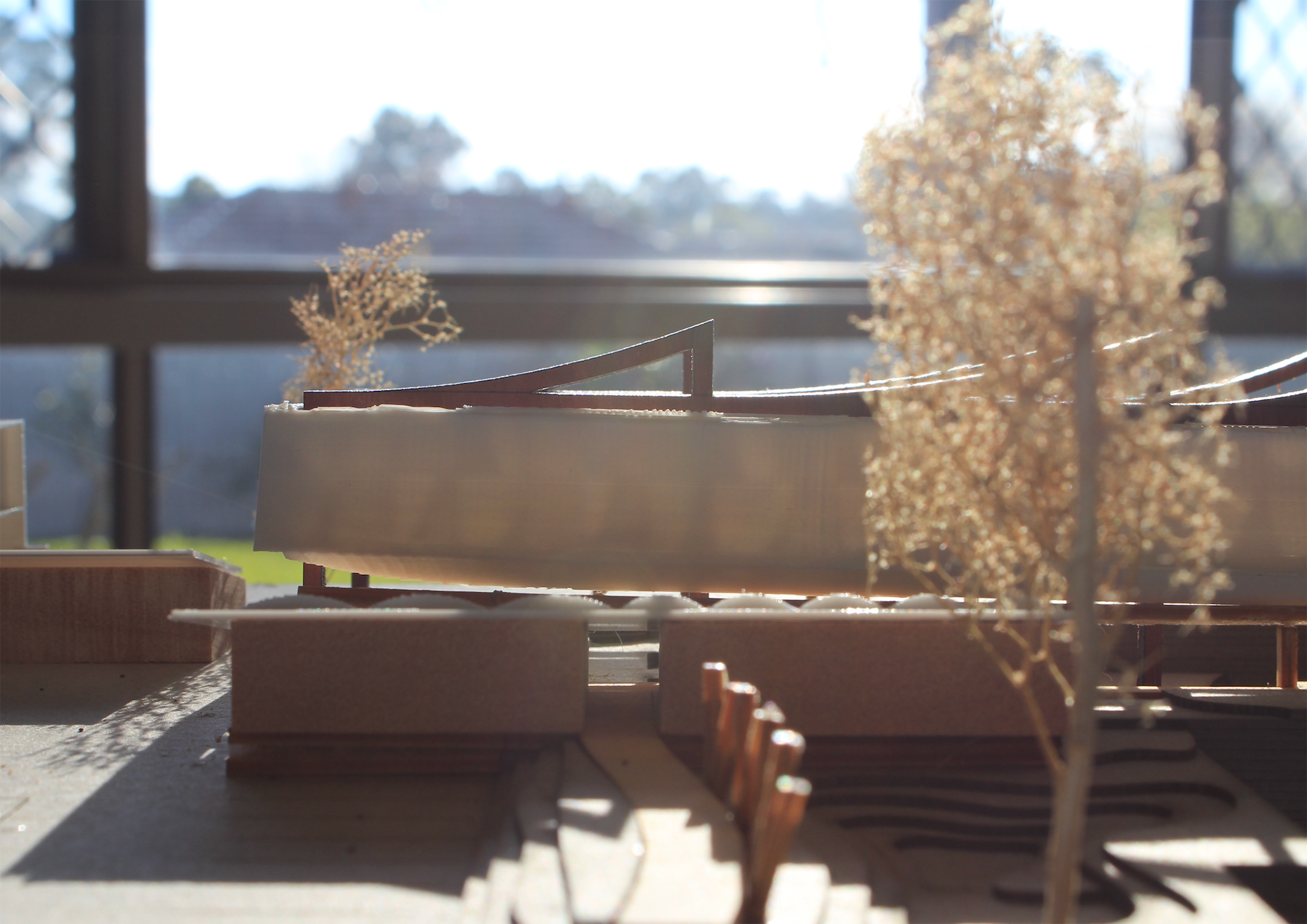
- Soften the model: Trees introduce organic shapes that contrast the clean lines of architecture, making the model more visually appealing.
- Evoke atmosphere: A leafy mall or shady courtyard can instantly convey a mood or quality of life envisioned in the design.
Communicative Tool
- Tell a story: Whether it’s an ancient tree preserved on-site or new plantings designed to mature over time, trees can reinforce a narrative about history, sustainability, or community.
- Support persuasion: In client presentations or public consultations, trees often help make the proposal feel more inviting and liveable.