UNSW Making

Trees for Model Making

A chance to express your style and make your model pop!

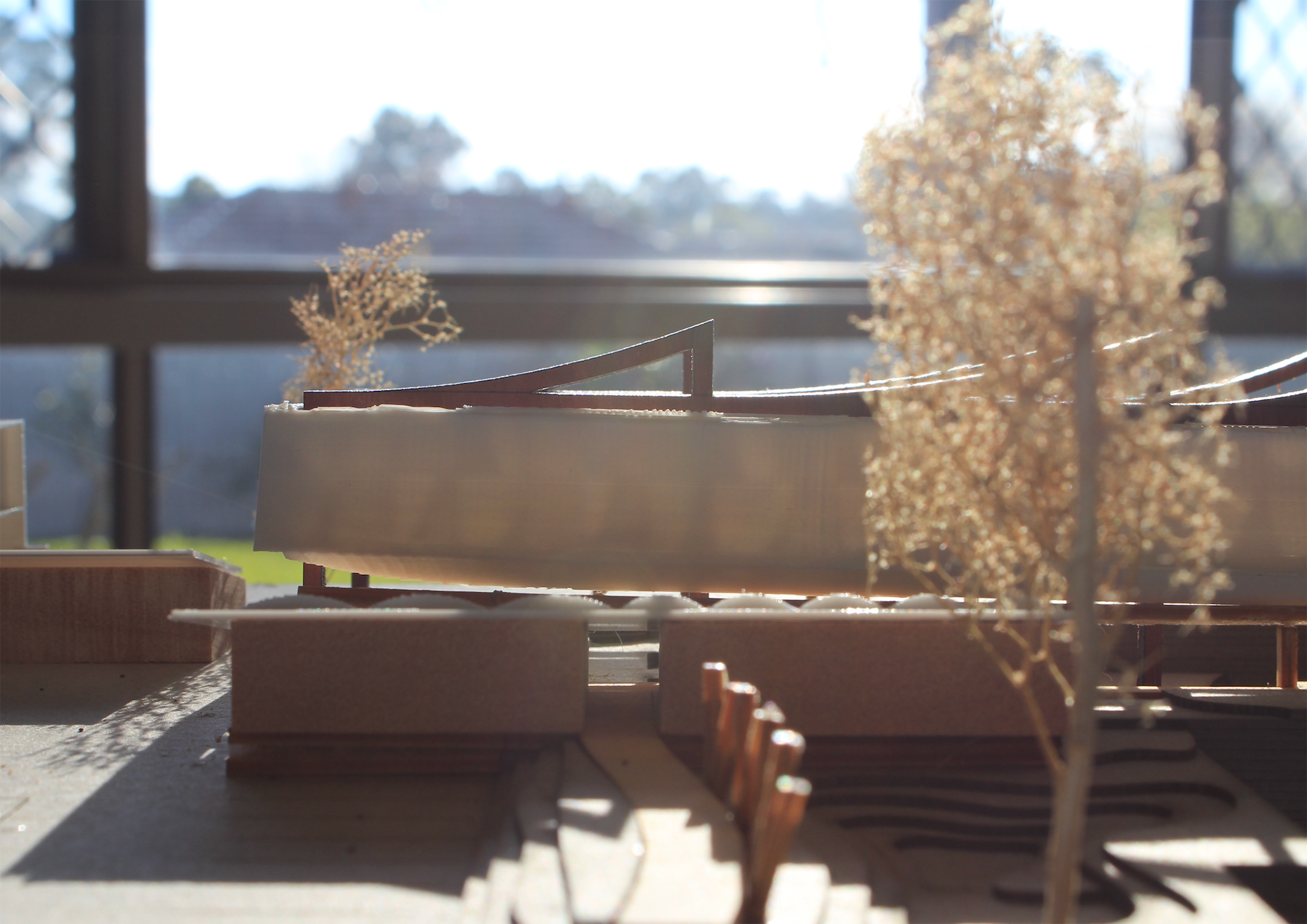
Trees in architectural models should never be an afterthought. Thoughtfully designed trees considered alongside topography and site features can act as an extension of your architectural vision.

They help tell the story of your design. They give a sense of scale, show how the building fits into its environment, and highlight outdoor spaces and environmental thinking like shade and landscape planning.

In this module, you'll learn simple and effective techniques for making model trees. You’ll explore different materials, styles, and scales, and learn how to place trees to strengthen your presentation and bring your model to life.

Introduction


The importance of trees in model making

Scale and Context

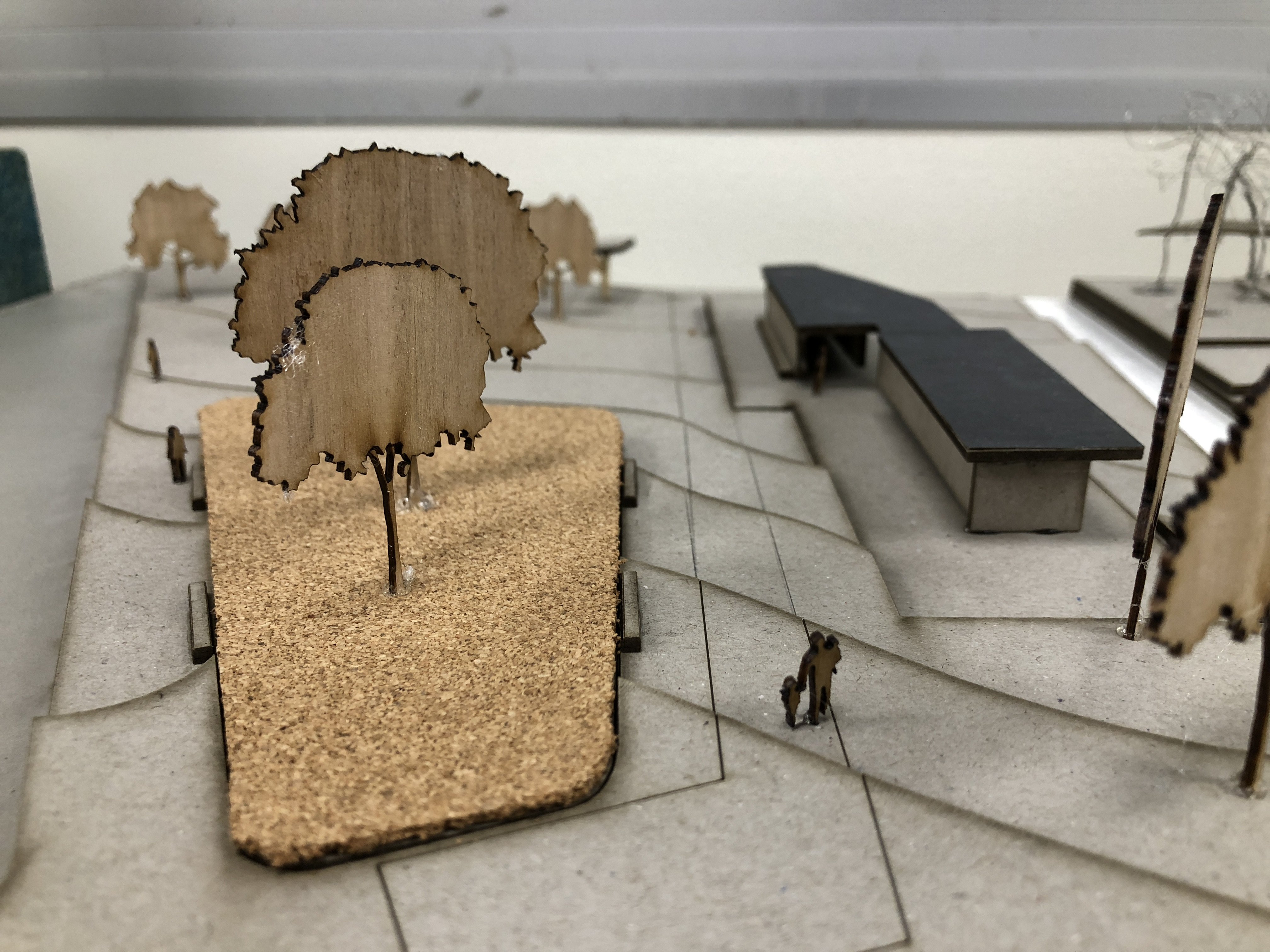
  • Humanise the model: Trees provide a relatable scale reference, helping viewers intuitively understand the size of buildings and spaces.
  • Contextualise the site: Including surrounding trees or landscape features situates the design in its natural or urban environment.

Spatial Understanding

  • Define spaces: Trees can suggest how public and private spaces are divided or connected—framing courtyards, shading walkways, or screening views.
  • Guide movement: Tree placement can subtly indicate pathways, entrances, or circulation patterns.

Environmental Design

  • Demonstrate sustainability: Including trees can show intentional planning for shade, windbreaks, passive cooling, or improved microclimates.
  • Illustrate ecological integration: Helps communicate how the built form coexists with natural systems (e.g., urban greening or habitat preservation).

Visual and Emotional Impact

  • Soften the model: Trees introduce organic shapes that contrast the clean lines of architecture, making the model more visually appealing.
  • Evoke atmosphere: A leafy mall or shady courtyard can instantly convey a mood or quality of life envisioned in the design.

Communicative Tool

  • Tell a story: Whether it’s an ancient tree preserved on-site or new plantings designed to mature over time, trees can reinforce a narrative about history, sustainability, or community.
  • Support persuasion: In client presentations or public consultations, trees often help make the proposal feel more inviting and liveable.

Choosing the right size for your scale


Getting it right is important

Getting the trees at the correct scale is not a small detail—it directly affects how believable and useful your model is.

Trees give people a reference point. Everyone has an intuitive sense of how big a tree is compared to a person or a building. If your trees are too big, your building will look smaller than it really is. If they’re too small, your project can feel oversized or unrealistic. This can mislead tutors, clients, or reviewers about the true proportions of your design.

Getting tree scale right shows discipline. It tells reviewers you understand proportion, context, and detail—not just form-making. That matters in architecture.

In simple terms: if your trees are wrong, your whole model quietly becomes less trustworthy. If they’re right, everything else reads more clearly.

Real
Tree Height (Metres)
Scale 1:200 (Millimetres) Scale 1:100 (Millimetres) Scale 1:50 (Millimetre)
Height Width Height Width Height Width Height Width
Small
ornamental trees (e.g. crepe myrtle, Japanese maple)
5 3 25 15 50 30 100 60
Medium trees (e.g. jacaranda, olive, small eucalyptus) 10 7 50 35 100 70 200 140
Large
trees (e.g. Moreton Bay fig, mature gum trees)
15 10 75 50 150 100 300 200

Set up your Style

Types of trees

2D Plan trees

2D Elevation tress

Trees on model

3D Trees

Photography at home

Example Files

More Examples

Categories: Model Making Skills
Tags: Model Making