Fused Deposition Modelling · FDM
Molten thermoplastic, drawn one layer at a time. It's the most versatile, most available and most affordable way to print — the right first choice for functional prototypes, jigs, enclosures and big structural parts.
New to filament printing?
Our FDM & thermoplastics guide covers the fundamentals — how the process works, how each material behaves, and how to design for a clean print. Start there, then come back here when you're ready to print.
These are the filament printers you'll find across our UNSW Makerspaces. With 150+ FDM machines, it's very likely the largest 3D printing fleet of any Australian university — sized for everything from a keyring to a coffee table.
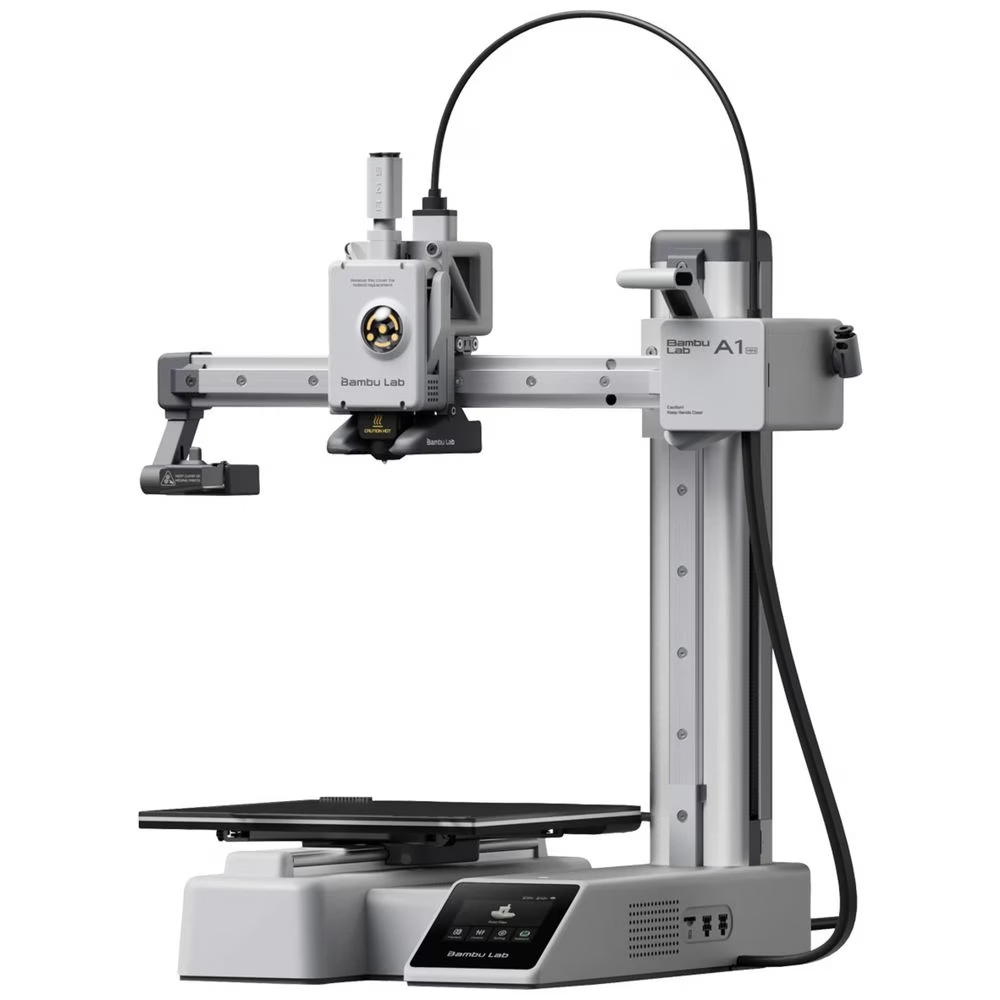
A1 Mini
Bambu Lab
“Small, speedy and fuss-free — I've got a 180 × 180 × 180 mm bed and I'm best for a pop-up printer farm.”
Find me at
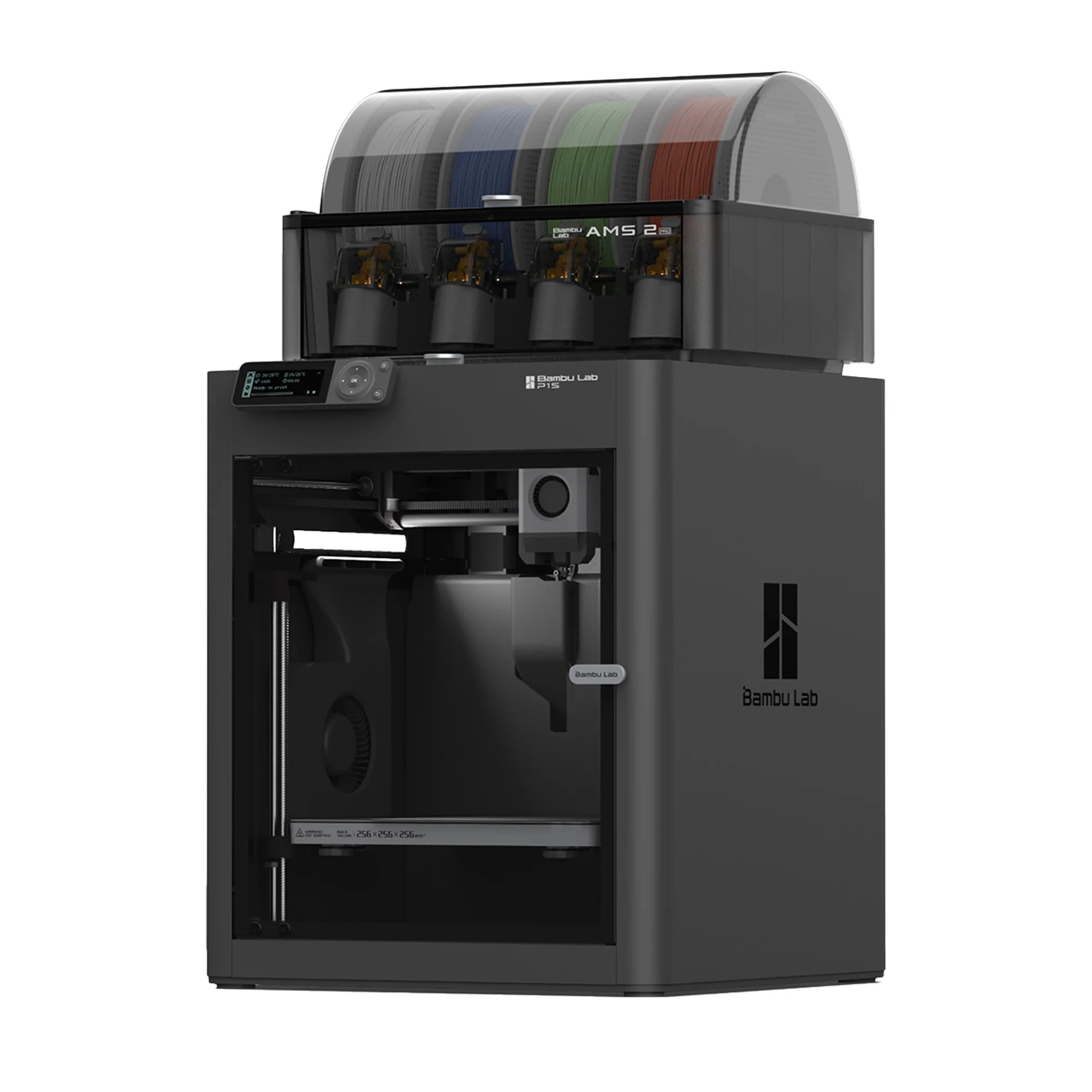
P1S
Bambu Lab
“I'm the everyday workhorse: fully enclosed, 256 × 256 × 256 mm, and happy printing almost anything you throw at me.”
Find me at

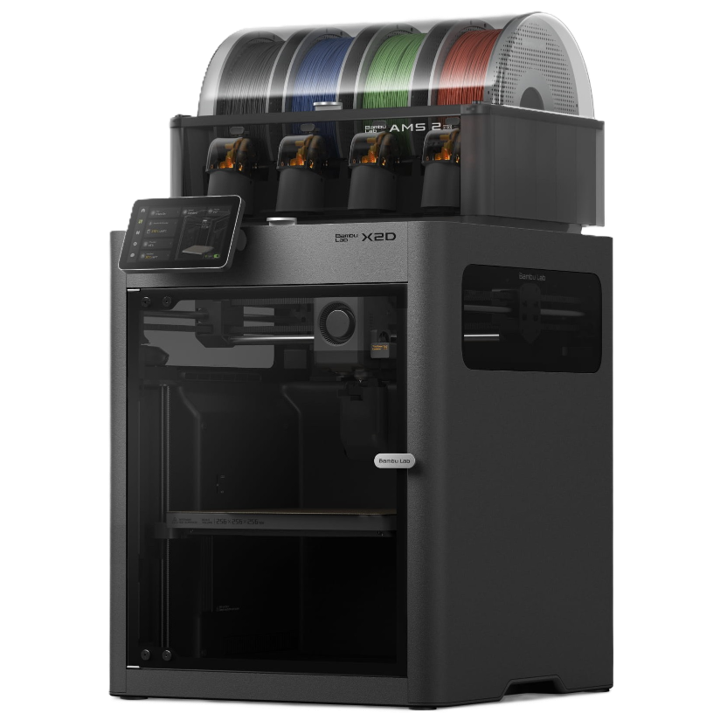
X-Series
Bambu Lab · X1 Carbon · X1E · X2D
“We're the pro squad — 256 mm builds with hardened hotends, ready for abrasive and engineering-grade filaments.”
Find me at


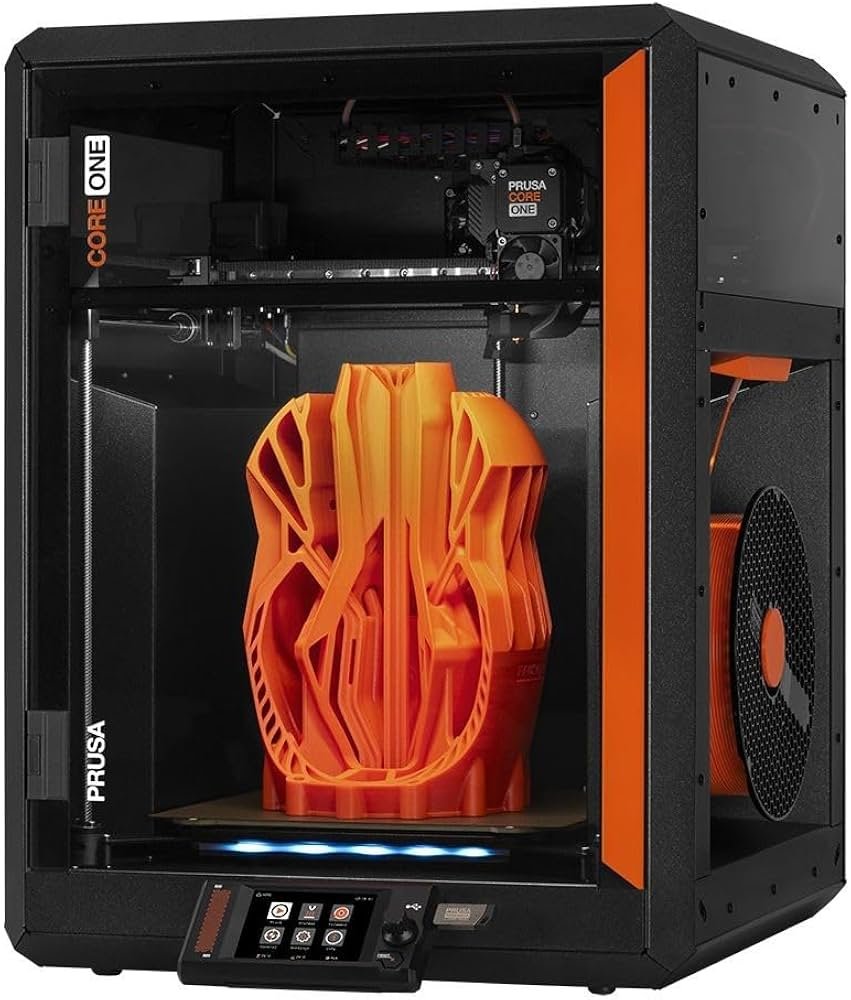
Core One
Prusa
“I'm rock-solid, ready for advanced materials, have a 250 × 220 × 270 mm build volume — and I'm open-source to boot.”
Find me at
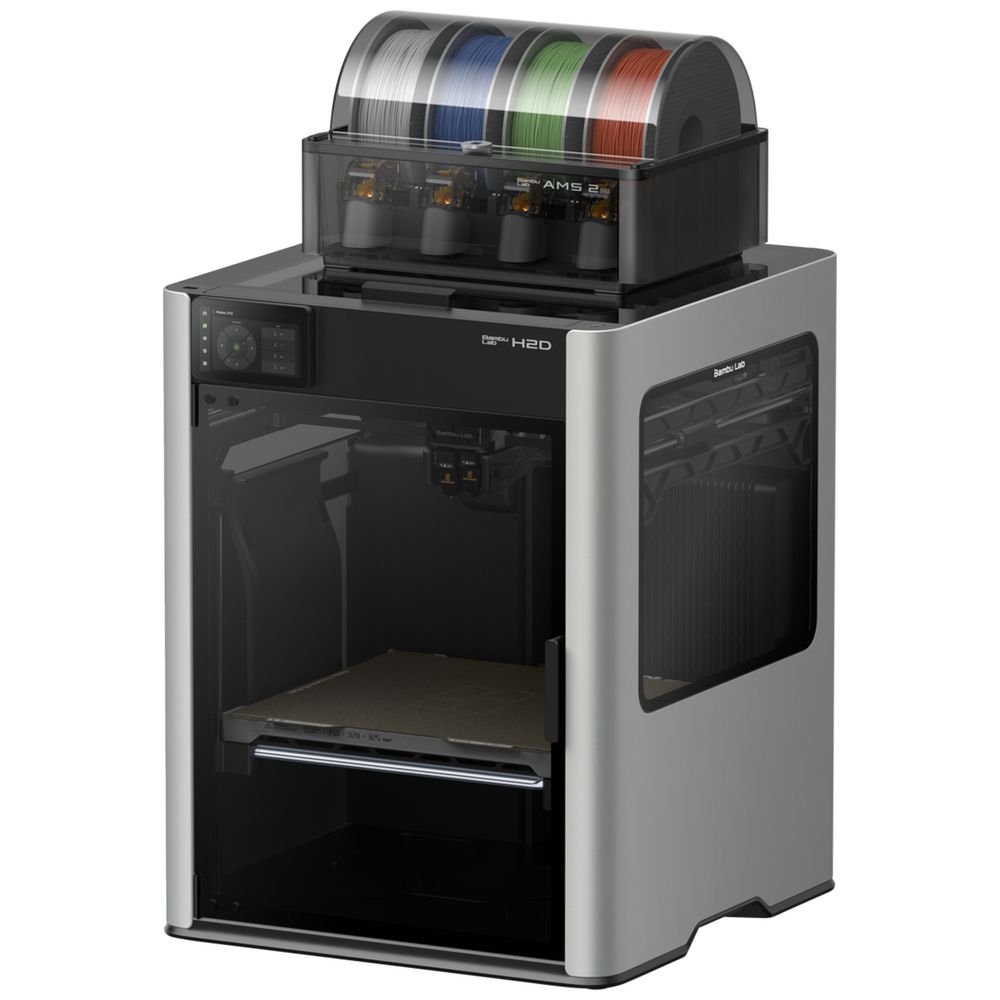
H2 Series
Bambu Lab · H2D · H2S
“We think big — up to 300 × 320 × 325 mm — and the H2D even runs two nozzles at once for multi-material prints.”
Find me at
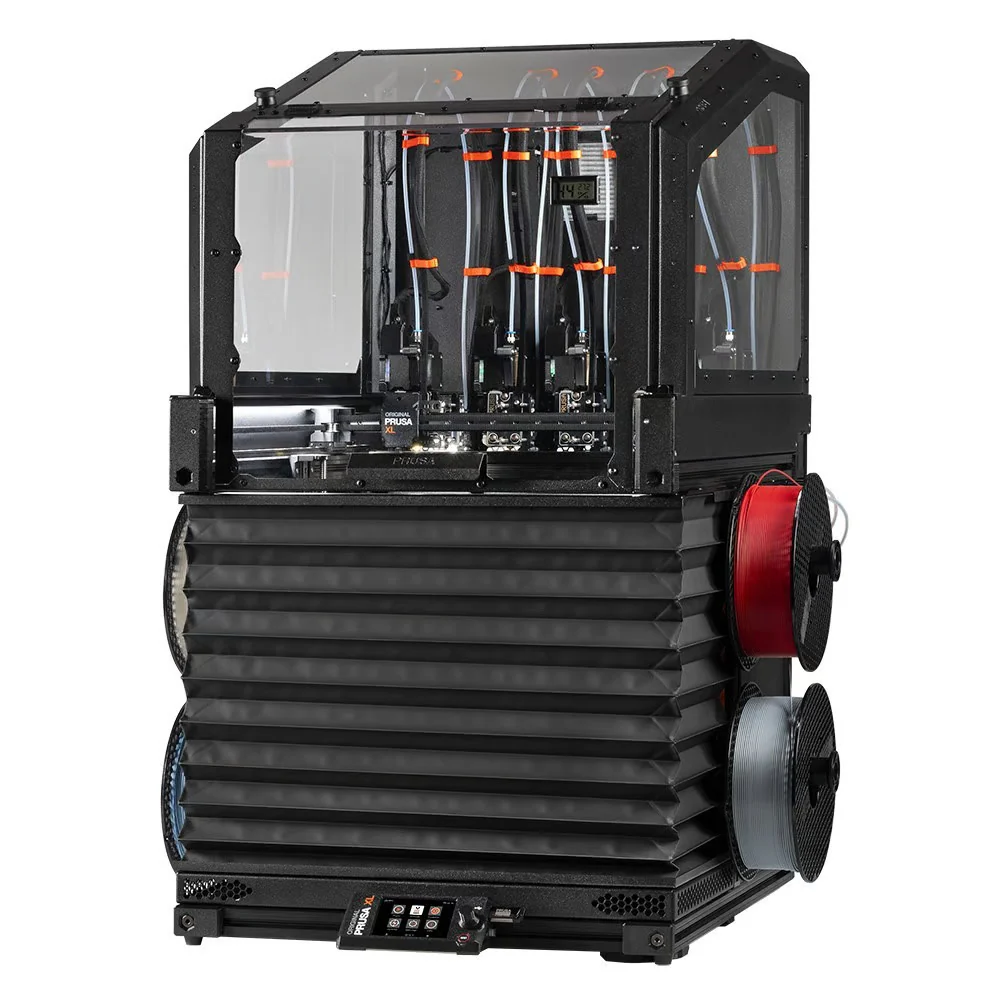
XL
Prusa
“I have an even bigger 360 × 360 × 360 mm bed and up to five tool heads, so I can print many colours and materials without a swap.”
Find me at
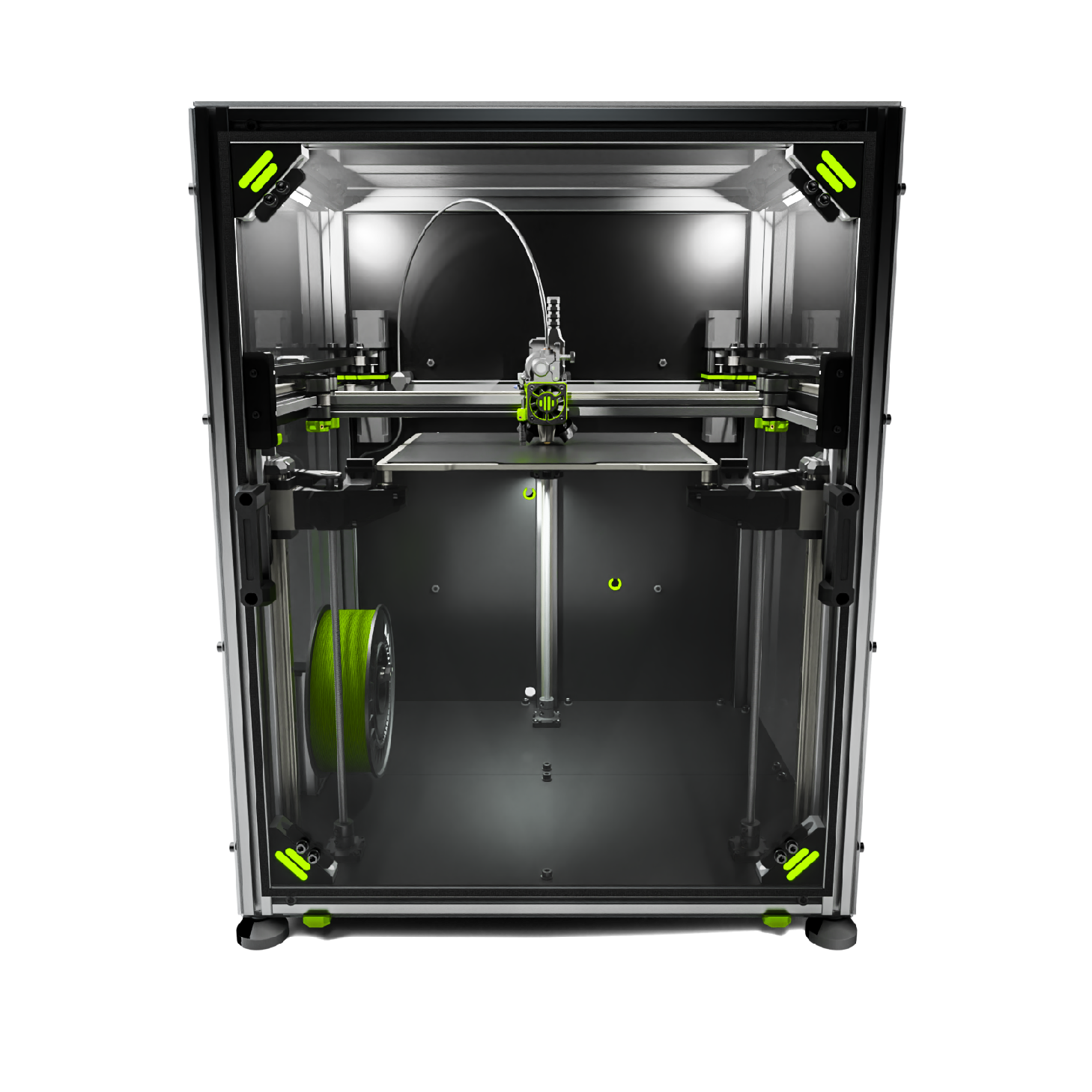
V-Core 4
Rat Rig
“I'm a giant CoreXY with an astounding 500 mm all-round build volume, plus I have two tool heads for dual material action.”
Find me at
Hub prints are charged by the amount of material used — there's no machine-time fee. Prices below are current at time of writing; the pricing schedule is always the source of truth.
Standard filaments
Everyday materials — stocked, cheap, and ready to go.
Rigid, easy, superb detail. The everyday default.
Water-tight and tougher than PLA — good for mechanical parts.
Better than ABS, survives outdoors while just as impact and heat resistant.
Semi-flexible — a firm rubber for tough, bendable parts.
Specialty filaments
Less common engineering and high-performance materials for demanding parts.
Legacy material - use ASA instead. Impact and heat resistant.
Strong, tough and wear-resistant — gears, hinges, living parts.
Soft and rubbery — the flexible one for grips, seals and straps.
Takes big impacts without shattering - great for guards and housings.
Chemical and fatigue resistant — living hinges and custom lab tools.
Stiff, light and fatigue-resistant — structural parts where every gram counts.
Shrugs off solvents, fuels and acids, and it's flame-retardant — for chemically harsh environments.
Keeps its strength when things get hot — a metal replacement for load-bearing parts near heat.
Some prints cost you nothing. Your project is free when it meets all three:
Don't forget to add your course code / thesis supervisor on the request form, so we can apply the discount!
Need something we don't stock? We can often order in specialty filaments for your project — come and have a chat about what you're making.