Beyond filament & resin
The advanced processes we run beyond our everyday filament and resin fleets — for parts and projects that need something standard printing can't give. Each is a specialised machine that works a little differently: some carry a setup fee, some are reserved for specific courses and research, but all begin with a quick chat with our team rather than a file upload.
Explore the technologies
The Markforged X7 lays down a tough Onyx nylon matrix and, layer by layer, embeds continuous strands of carbon fibre, Kevlar or fibreglass exactly where the load runs. The result is astonishingly strong — parts that can stand in for machined aluminium in brackets, jigs, tooling and end-use hardware.
Not the same as chopped carbon-fibre filaments (PA-CF and the like) on a normal FDM printer — this lays continuous fibre, for far greater strength.
Base matrix
Every composite part is printed in this — reinforce it with fibre where you need strength.
Chopped carbon-fibre nylon — stiff, tough and matte black on its own.
Continuous fibre reinforcement
Laid in continuous strands inside the Onyx — pick the fibre for the job.
Affordable reinforcement — a big stiffness and strength jump over plain Onyx.
Tough and impact-absorbing — for parts that flex and take knocks.
The stiffest, strongest fibre — strength-to-weight approaching aluminium.
How it's charged: by material used — the base polymer (Onyx) plus any continuous fibre you add. No setup fee.
Composite is the one specialist process you can request straight through our standard print form — just choose the Markforged X7 and note your fibre choice. A chat with our team first is still recommended.
Start a project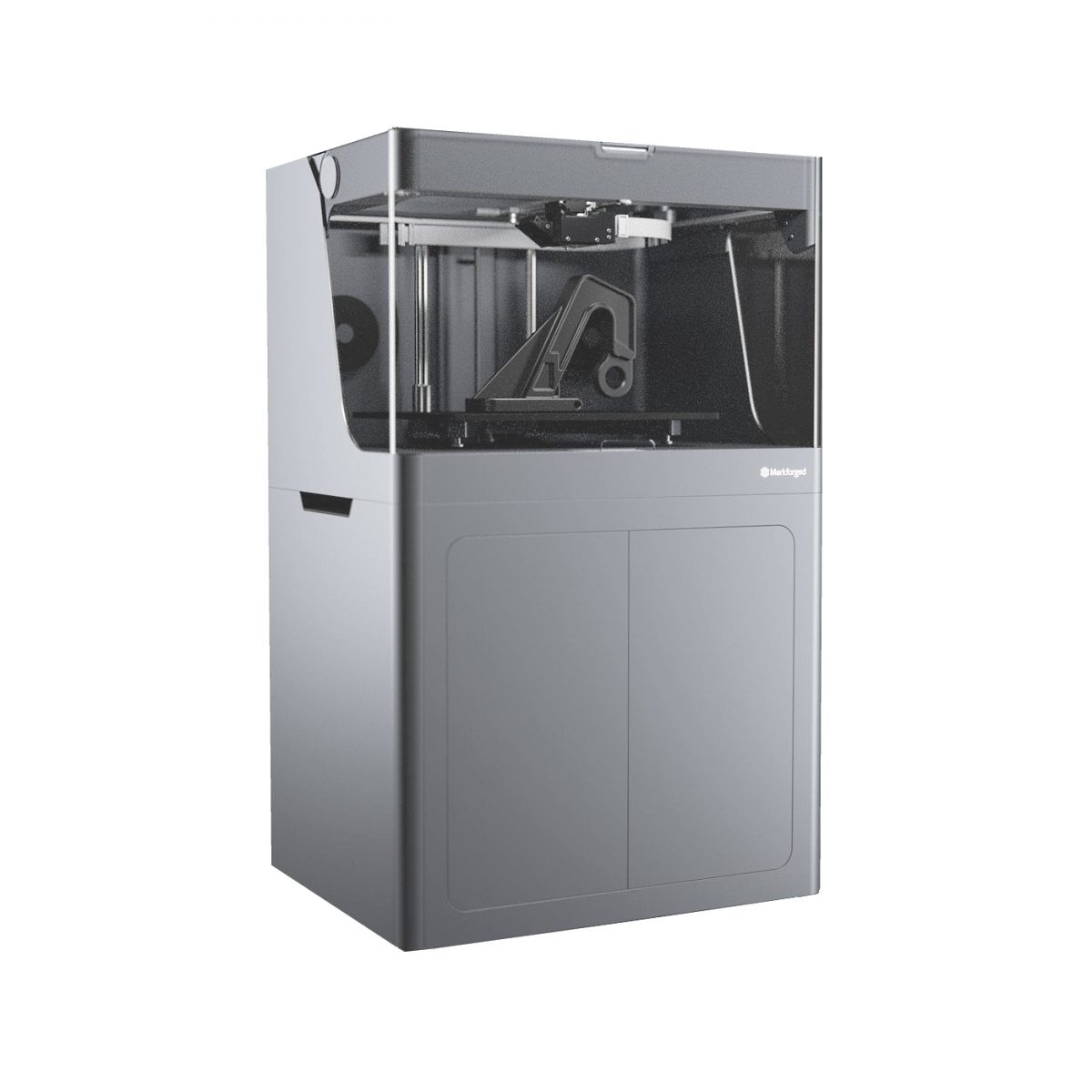
X7
Markforged
“I weave continuous carbon fibre into a Nylon-CF matrix — metal-strong parts on a 330 × 270 × 200 mm bed.”
Find me at
The Formlabs Fuse fuses fine nylon powder with a laser, one layer at a time. The surrounding un-sintered powder supports the part as it builds, so there are no support structures — complex geometries, interlocking assemblies, enclosed voids and volume production competitive with injection moulding — all in a strong, durable, isotropic nylon.
Powder
One workhorse nylon — strong, durable and ready for functional, end-use parts.
Strong, tough and chemically resistant — living hinges, enclosures and end-use hardware.
How it's charged: a $50 setup fee per job, then $0.20/g of nylon powder fused.
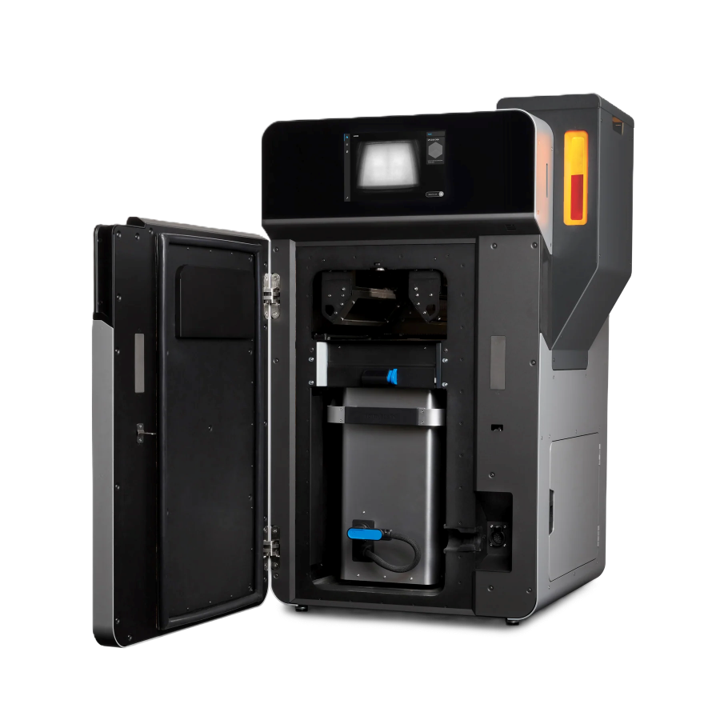
Fuse 1
Formlabs
“I sinter nylon powder with a laser — no supports, so I nail complex geometries and small volume production on a 165 × 165 × 300 mm build.”
Find me at
Our clay printers extrude a continuous coil of real clay, building vessels and sculptural forms layer by layer. Prints come off the bed as greenware, then dry, fire and glaze like any ceramic. Take a look at the clay 3D printers that live across our UNSW Makerspaces — available for specific courses and research.
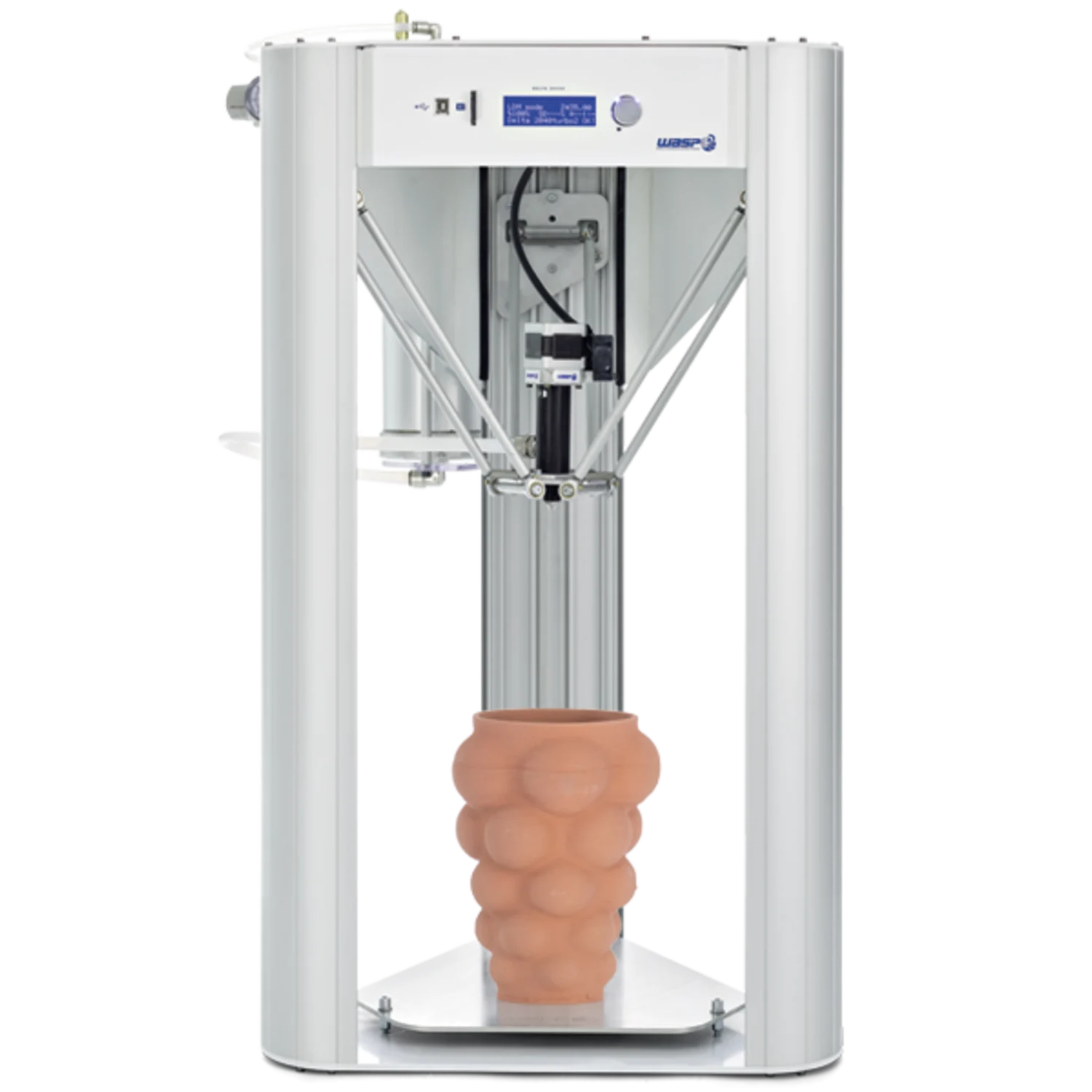
2040
Delta WASP
“I do small, detailed prints — with a 200 × 400 mm bed.”
Find me at
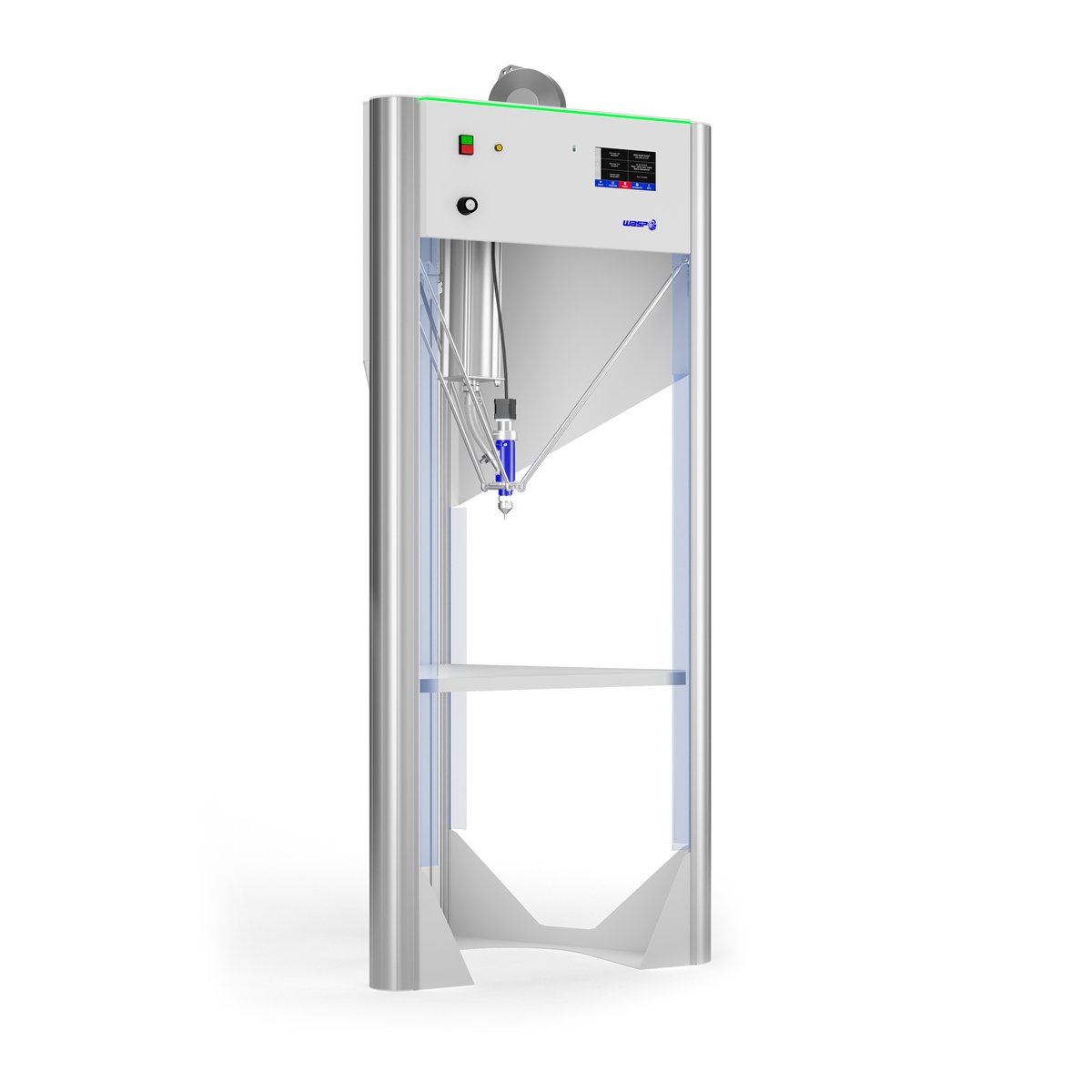
40100
Delta WASP
“I print precise models with retraction — on a taller 400 × 1000 mm bed.”
Find me at
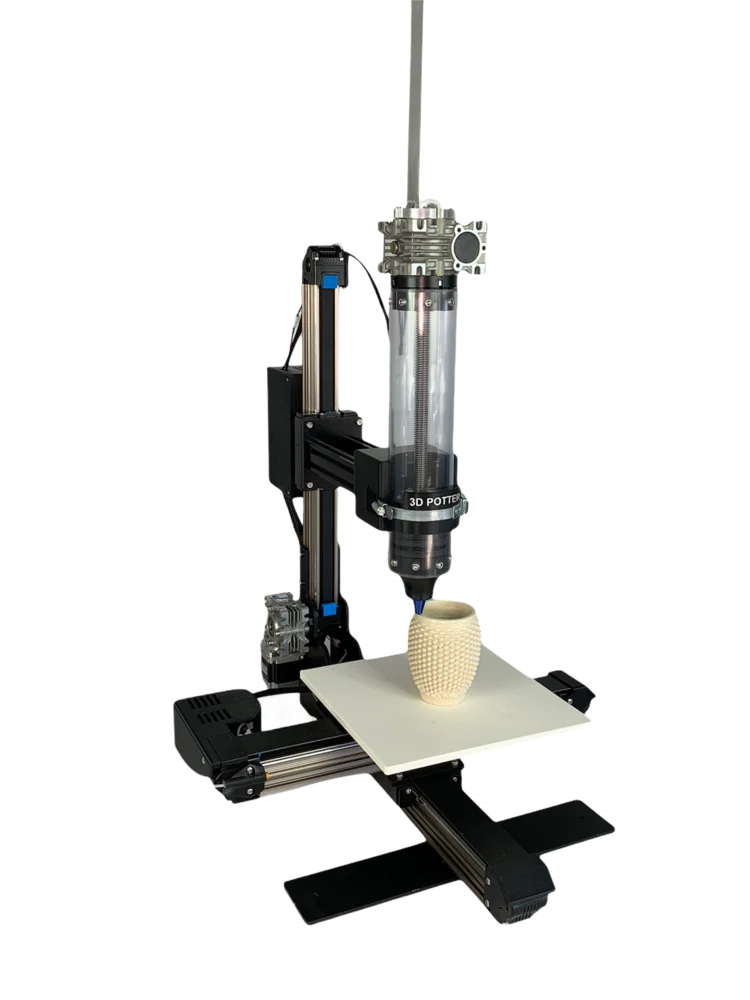
9 Pro
3D Potter
“I'm easy to use, and print small to medium models.”
Find me at
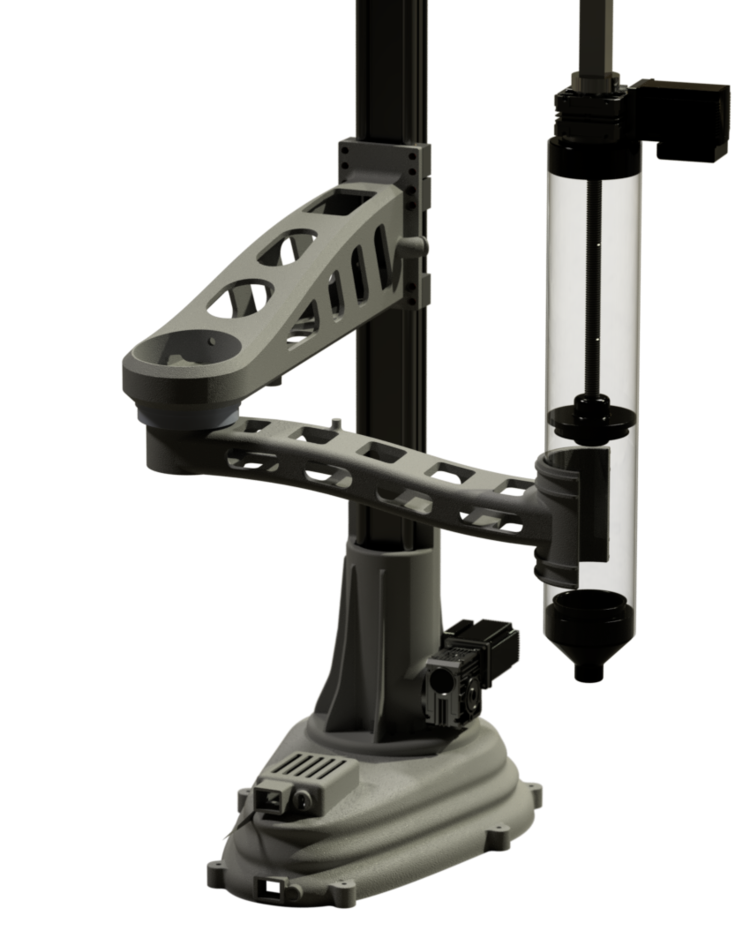
XLS-Scara
3D Potter
“I'm easy to use, and print medium to large models.”
Find me at
Material
Standard studio clay, loaded by the bag — fired and glazed after printing.
Real ceramic clay — printed as greenware, ready to dry, fire and glaze.
How it's charged: a $50 setup fee plus $10/hr machine time and $20 per half-bag of clay. Available for specific courses and research — chat with our team first.
Prices above are current at time of writing — the pricing schedule is always the source of truth. Not sure which process fits your project? Come and have a chat about what you're making.